Open source
The engine is open
2026-07-02 · 2 min
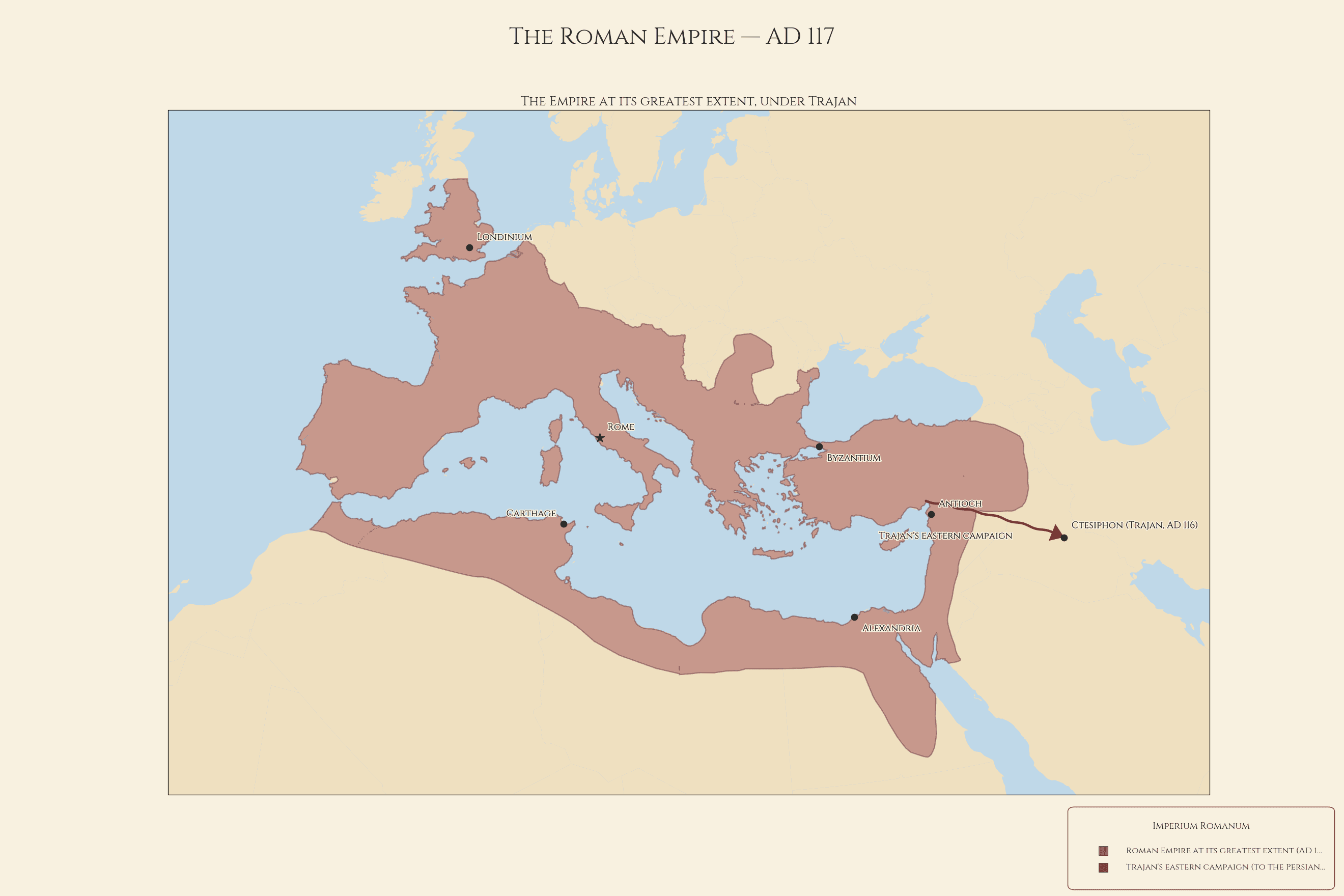
A map asks you to believe something. A tool that makes maps, and asks professionals to put their name on the result, has to answer an obvious question: how do I know what the machine actually did? Our answer is the plainest one available. The engine is open. You can read it.
The renderer — the deterministic core that turns a Gesta document into an SVG — is now public on GitHub under the GNU AGPL-3.0. Not a demo, not a stub: the real engine that draws the plates you see across this site.
Why the engine, specifically
Gesta Carta is built on one architectural bet: the AI never draws pixels. It writes a declarative document; a separate renderer, deterministic by construction, turns that document into the map. Everything that matters about accountability lives in that renderer — how a named entity becomes real geometry, how a zone is shaded, how the same document produces the same plate byte for byte.
So opening the renderer is not opening the periphery. It is opening the part a skeptical reader would most want to inspect. A journalist who publishes one of these maps, a researcher who cites it, a desk editor who signs off on it — each of them can now point to the exact code that drew the line, run it themselves, and confirm the plate reproduces. Reproducibility stops being a promise and becomes something you can check.
Data you bring, an engine you trust
The renderer is deliberately data-agnostic. It does not ship a single, opaque, take-it-or-leave-it world. You supply the cartographic substrates — public-domain coastlines, open boundary datasets, your own curated layers — from sources whose licences you accept and whose provenance you can state. The engine's job is to be honest and deterministic about drawing whatever data you feed it. That separation is what lets the code be free while the responsibility for the data stays where it belongs: with the author.
Open core, paid intelligence
Being open about the engine does not mean everything is free, and we would rather be clear than coy. The renderer is AGPL, with a commercial licence available for those the AGPL doesn't fit. The AI layer — turning your prose into a valid document, editing it by conversation — is the paid product. The deterministic drawing is a public good; the generative assistance is the business. We think that is the honest shape for a tool like this: give away the part that has to be auditable, charge for the part that saves you time.
Read it
The repository is at github.com/giacomocavalcabo/gesta-renderer. Clone it, install it, render a document to SVG, and see for yourself that the map you get is the map the document describes — no more, no less. That is the whole point of building it this way.